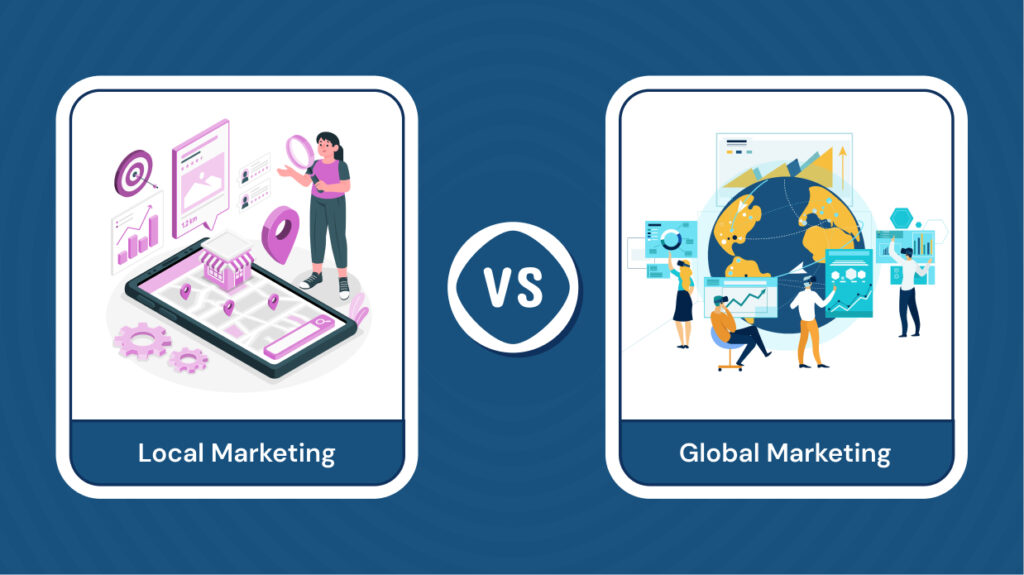
The United Arab Emirates is a unique market where international aspirations meet deep-rooted local values. For any global advertising company looking to succeed here, understanding how to strike a balance between universal appeal and local relevance is critical.
With a population made up of more than 200 nationalities, high-income consumers, and advanced digital infrastructure, the UAE presents both opportunity and complexity. A campaign that succeeds in New York or London won’t automatically work in Dubai or Abu Dhabi. Without localized messaging, even globally recognized brands can fall short.
This is why marketers must understand the key differences between global and local strategies—and how to tailor each campaign for maximum relevance and impact in the UAE market.
Global Marketing Strategies: Strengths and Limitations
A global marketing strategy involves creating a standardized message or brand identity that works across multiple markets, often with minimal regional changes.
Key Benefits of Global Strategies:
- Consistency: Brand messaging and tone remain uniform across borders.
- Efficiency: Saves time and money on production, creative, and media planning.
- Scalability: Easy to replicate successful campaigns in new markets.
But in the UAE, These Limitations Arise:
- Cultural Differences: Humor, colors, imagery, and messaging can be misinterpreted if not adapted for the Arabic-speaking population or expat communities.
- Language Barriers: A one-language approach doesn’t address the bilingual (Arabic and English) media ecosystem.
- Media Consumption Habits: What works on social platforms in the West may not translate directly to how UAE residents consume content—especially among different expat groups.
Local Marketing Strategies: Deep Relevance, Greater Connection
Local marketing focuses on customizing brand messaging, content, visuals, and platforms based on the specific preferences, language, and media behavior of a regional audience.
Why Local Strategies Work in the UAE:
- Cultural Sensitivity: Local campaigns account for Islamic traditions, UAE-specific holidays like National Day or Ramadan, and the need for conservative, family-oriented content.
- Language Personalization: Content in Arabic often performs better on government platforms, among Emiratis, and in sectors like banking or healthcare.
- Community Ties: Locally focused ads resonate more in Emirates like Sharjah or Fujairah, where the audience may differ significantly from that in Dubai.
Case Study: What Happens When You Get It Right (or Wrong)
Global Misstep:
A major European food brand launched an ad campaign in the UAE using the same creative used across Europe. The ad featured culturally inappropriate imagery during Ramadan and was quickly pulled after backlash on social media.
Local Success:
A UAE telecom provider ran a campaign tailored for Emirati youth, using Arabic dialects,
local influencers, and themes around family unity during Eid. It led to a 30% increase in engagement and significant positive sentiment online.
Adapting Global Campaigns for Local UAE Success
You don’t have to completely abandon your global strategy. Instead, smart brands find a hybrid approach—what’s often called “glocalization.”
How to Glocalize Effectively:
- Localize Visuals and Language
Replace generic visuals with imagery of Emirati landmarks, attire, and symbols. Use Arabic and English copy.
- Include Local Holidays and Themes
Align campaigns with Ramadan, Eid, UAE National Day, or the Dubai Shopping Festival.
- Use Regional Influencers
Partner with respected voices in fashion, tech, food, or family to localize your brand voice.
- Adapt Platforms and Channels
While a global strategy may focus on Instagram and YouTube, in the UAE, TikTok, Snapchat, and Arabic-language TV still hold strong influence.
Media Planning: Choosing the Right Mix
A localized strategy in the UAE doesn’t stop at content—it extends to media planning. The platform you use says as much about your brand as the content you deliver.
Global Channels Commonly Used:
- Instagram (especially for luxury and fashion)
- YouTube (for video-led storytelling)
- Google Display and Search (for performance-driven campaigns)
Local Channels That Can’t Be Ignored:
- Arabic-language news portals like Al Bayan or Emarat Al Youm
- Popular forums and community groups on WhatsApp and Snapchat
- Traditional media like radio, out-of-home, and local TV
Cultural Guidelines Every Brand Should Know
To succeed in the UAE, avoid crossing cultural lines. Brands must respect religious and national symbols, avoid politically sensitive topics, and ensure gender roles are portrayed in line with local values.
Do:
- Use Arabic calligraphy and Islamic motifs respectfully during Ramadan
- Show diverse but modest representation
- Highlight family, tradition, and hospitality
Don’t:
- Use alcohol-related imagery or messaging
- Overuse Western slang or jokes that don’t translate
- Feature overtly romantic content, especially in public settings
The Role of Data in Localized Marketing
Data helps refine your message. Whether you’re a multinational or a homegrown startup, collecting first-party data through apps, email campaigns, or loyalty programs helps you understand regional behavior.
Example:
An e-commerce platform used purchase data and browsing behavior to launch segmented ad campaigns during Ramadan. Customers in Abu Dhabi received product bundles tailored to family gatherings, while Dubai customers saw fashion-focused content for Eid events.
Analytics allows brands to speak to micro-audiences within the broader UAE population.
What Global Brands Can Learn from Local Competitors
Many local businesses in the UAE excel at crafting emotional and relevant content. Their agility and proximity to the market give them an edge.
Takeaways:
- Fast adaptation to public holidays, news events, or viral trends
- High community involvement, often supporting local charities or initiatives
- Better understanding of regional humor, dialects, and expectations
Global companies can gain by hiring local agencies, consultants, or using regional media partners to bridge the gap.
Building Trust Through Local Media Partnerships
Local credibility matters. Collaborating with regionally respected publications or broadcasters can boost brand authority.
While global brands may rely on digital-only strategies, working with Arabic newspapers,
local radio stations, and event sponsorships in key Emirates brings authenticity and brand visibility.
This is where local agencies like IAS Media bring value—connecting global advertisers to trusted regional media channels.
Conclusion: Find the Right Balance for UAE Success
To win in the UAE, brands must find a balance between global consistency and local customization. It’s not about choosing one over the other—it’s about tailoring campaigns that are globally aligned but locally relevant.
A global advertising company that invests in local research, partnerships, and culture-driven creative will stand out in the crowded UAE landscape.
One often overlooked but highly effective tool is local tv advertising UAE. Despite the digital boom, local TV remains influential, especially among older demographics, Arabic speakers, and rural audiences. Integrating local broadcast media into your strategy—especially during peak cultural moments—can greatly enhance your reach and credibility.
The most successful campaigns in the UAE don’t just market to people—they speak to them, in their language, on platforms they trust, and with stories they believe in.